
Beauty
I Tried the 600-Year-Old Facial NYC It-Girls Use Instead of Injectables
I came, I saw, I got my face moved around a bit.
At 32 years old, the word “facial” starts to take on a new meaning.
A visit to your friendly neighborhood esthetician becomes less about acne and more about dullness, circulation, puffiness that lingers longer than it should, and the slightly unsettling realization that your face isn’t really “bouncing back” the way it used to. To put it more bluntly, things start to feel like they’re slowly falling.
For me — a girl who has her skincare routine down pat, is on prescribed tretinoin, and long past her hormonal breakout era — a spring refresh is less about fixing my pores and more about snatching everything back into place.
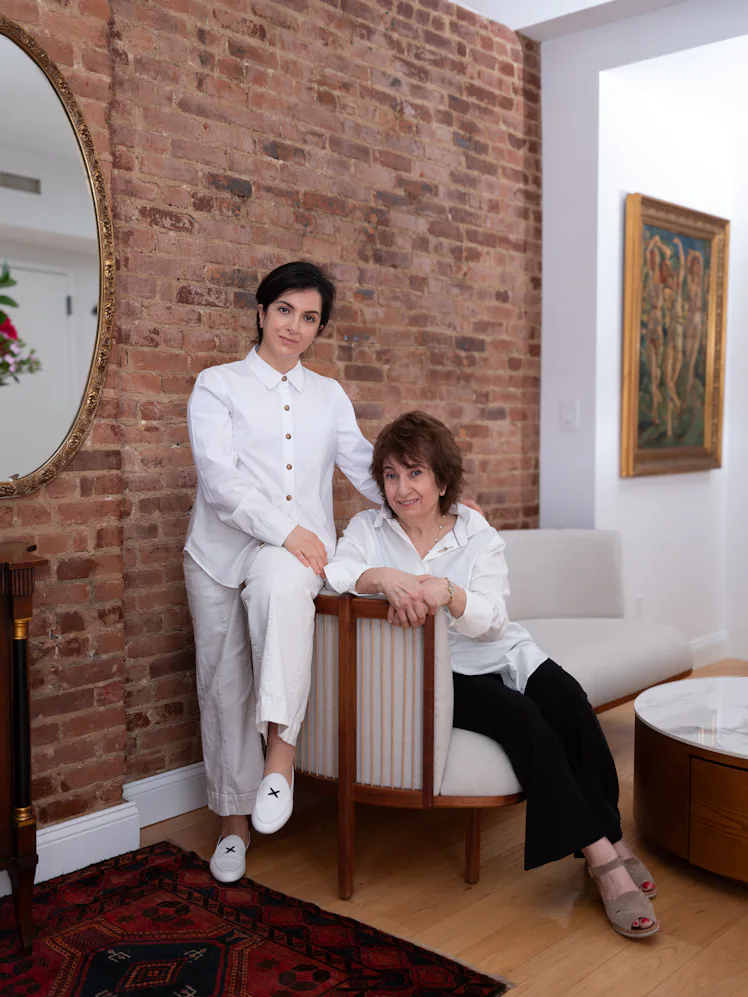
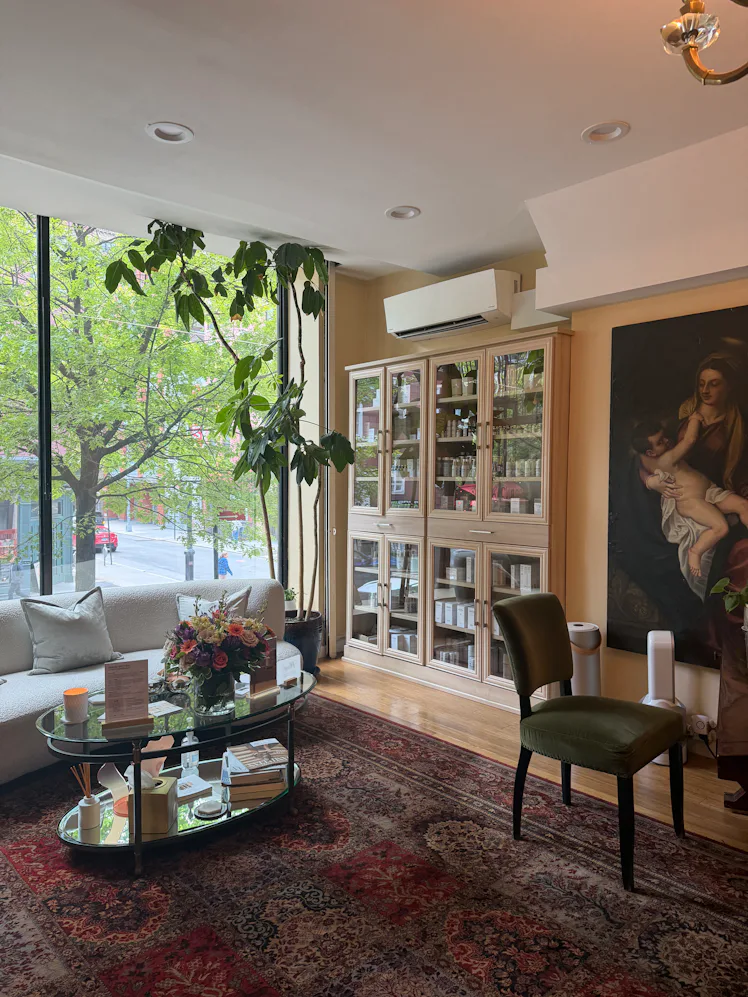
Which, if you know, you know, is kind of what my go-to spa, Kariné Kazarian is known for.
For the downtown set, her studio has been a quiet staple for years. Her name is in frequent mention in dimly lit Dimes Square lounges and Tribeca lofts: someone will nonchalantly recall their experience of the natural facelift, another casually quips, “she made me glow before the Met Gala,” and then the conversation moves on without any real explanation. Kazarian has lived in that low-level beauty mythology for as long as she’s been open, working with celebrities, but also a very specific ecosystem of NYC women — editors, founders, and the kind of it-girls (Leandra Medine, Serena Kerrigan, Aemelia Fay Madden, and Laura Reilly to name a few), whose beauty doesn’t feel announced or performed, but instead maintained.
The foundation of the facial I went in for is Kobido, a traditional Japanese facial massage technique developed over six centuries ago. It’s built around fast, rhythmic, and deeply intentional movements that work through the face in a very structural way, stimulating circulation, encouraging lymphatic flow, and activating the facial muscles themselves.
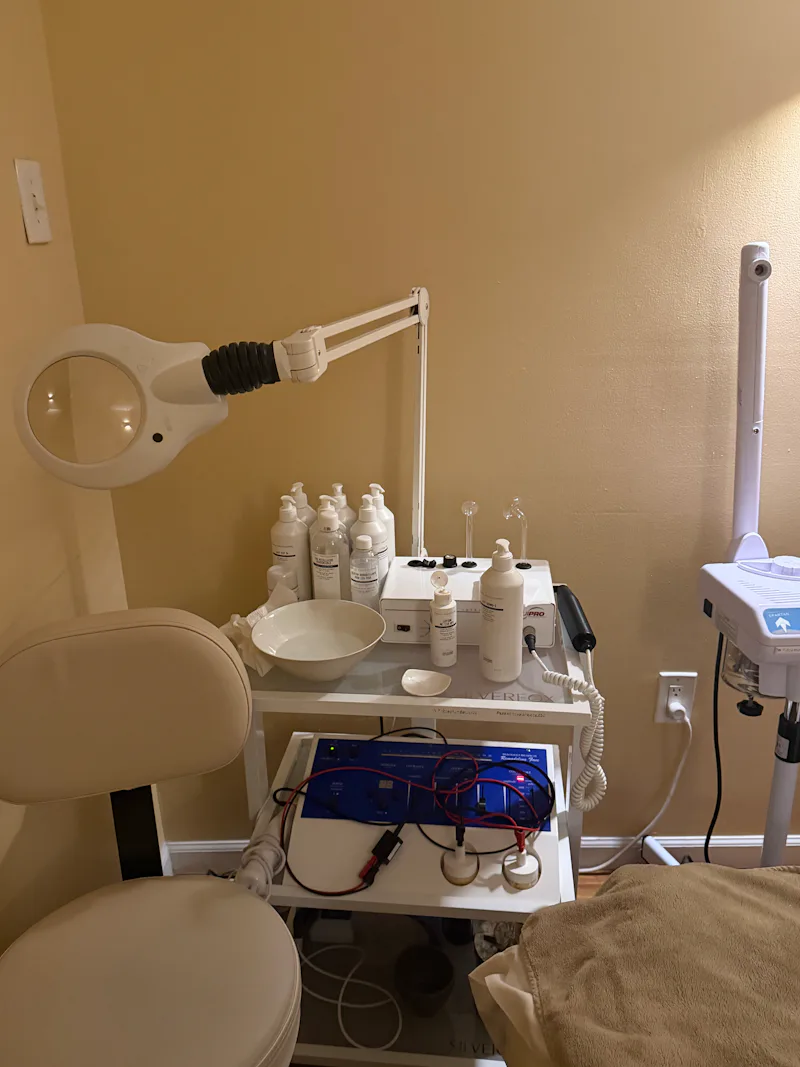
First, the standard reset all treatments start with: a cleanse, exfoliation, a close-up look at your skin for any needed extractions. My facial was done by Kariné’s daughter, who trained in Armenia from a French woman who studied the technique in Lyon. It’s rhythmic, fast, and surprisingly structural. You can feel your face being worked on at a muscular level, not just on the surface. After we finished one side, you could see how much higher my right cheekbone was sitting, as if it was propped back into place.
Call it filler fatigue or a growing obsession with collagen banking, this ancient technique’s rising popularity reflects a shift in beauty at the moment. The conversation is now less about skin and more about what’s underneath it (muscle tone, fascia, circulation), and that aging isn’t just about texture changes, but also how facial structure shifts over time. It’s why treatments like microcurrent, EmFace, and even devices like TriLift are circulating back to the forefront of the aesthetic conversations.
After Kobido, we moved into microcurrent using Biologique Recherche’s specially designed sponge applicators. It feels gentler than most at-home devices, but it still works through low-level electrical currents that stimulate the facial muscles in a very direct way — if you’ve ever had a treatment with metal probes, you know it can sometimes trigger unexpected, almost involuntary facial movements.
There’s also a brief metallic taste that appears when it kicks in, which seems to be a consistent side effect across microcurrent treatments. Overall, though, the experience felt surprisingly calming.
Afterwards, my skin was layered with serums, moisturizer, and SPF, but the most noticeable shift was how refreshed I looked. My face looked more awake in a way that felt less cosmetic and more functional, taut, and even super hydrated. It was like things had been gently repositioned.
What stayed with me wasn’t just the immediate result, but the logic behind it. So much of what we read as “tired” or “aging” might actually just be stagnation. When fluid isn’t moving and muscles aren’t being used, circulation slows down over time.
For me, microcurrent and massage-based facials have become one of the most effective tools for aesthetic maintenance. This kind of self-care works best with consistency (multiple sessions, at-home tools like NuFace, Medicube, ZIIP, and Bio-Therapetic) to keep things going, alongside the little maintenance rituals that make you feel put together, like running a few drops of Matrix Food For Soft Oil through dry ends after styling, but successful even as a one-off refresh.
I left looking noticeably different, but in a way that still felt like me — just more supported. Which, at 32, feels like the real goal.
