Entertainment
Inside The Heartthrob Industrial Complex
The new streaming-era formula is all about making your next Internet boyfriend.
As a Gay Millennial™, the image of Ryan Phillippe’s perfect, peachy ass has been seared into my mind ever since the very first time I watched Cruel Intentions. Back then, when I was still in the closet, the heartthrobs I gazed at on TV taught me that I had A Type: The OC’s troubled teenage runaway Ryan Atwood (Ben McKenzie) was an early obsession, followed by Jess Mariano (Milo Ventimiglia), the bookish bad boy of Gilmore Girls.
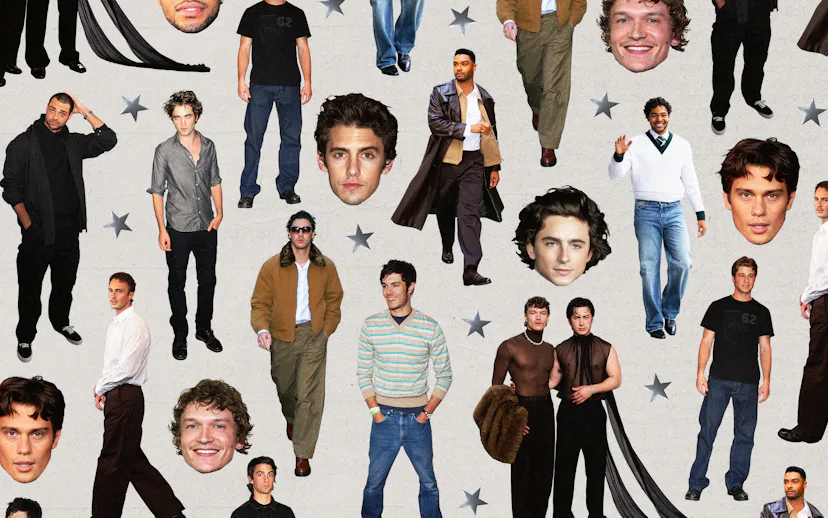
Today, actors who meet the basic “heartthrob” criteria — gorgeous, charismatic, a little mysterious — are some of Hollywood’s most famous (and bankable) stars, such as Robert Pattinson, Timothée Chalamet, Tom Holland, and Jacob Elordi. Their ascendancy to the A-list — to the point where it feels inadequate to describe them as “heartthrobs” — coincides with the arrival of a new wave of plucky young challengers.
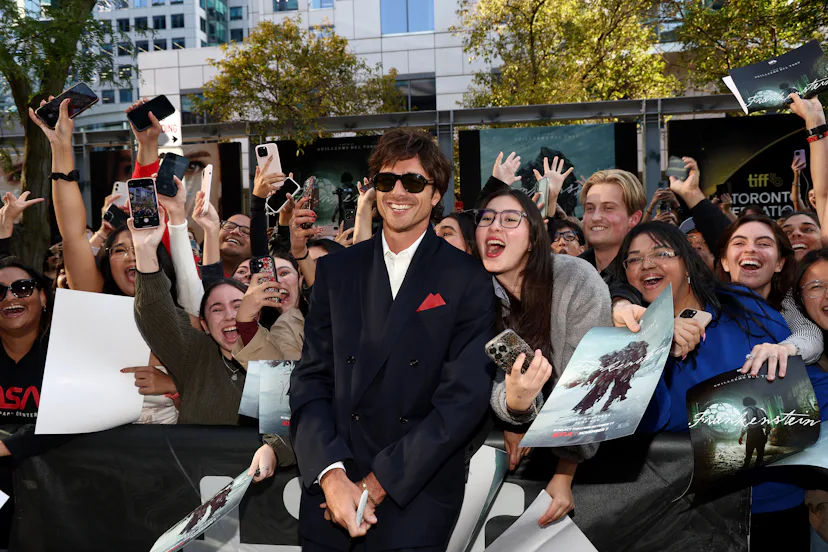
“There was a time when you had to really earn your stripes,” says podcaster and pop culture connoisseur Evan Ross Katz. Growing up, he remembers that heartthrobs like Freddie Prinze Jr. and Chris Evans would disappear and then suddenly emerge to promote their latest project, creating a sense of distance that he found alluring. But now, previously unknown actors can become the most in-demand heartthrobs in a matter of months. Plus, everyone is always on, he says, with an endless content cycle that demands “more ‘It boys’ than ever.”
In the streaming era, it feels like a conveyor belt is emerging, with a new hottie-of-the-moment every six months or so, from Heated Rivalry (Hudson Williams, Connor Storie) and the horny One Direction fan fiction The Idea of You (Nicholas Galitzine) to royal rom-com Red, White and Royal Blue (Taylor Zakhar Perez) and teen drama The Summer I Turned Pretty (Christopher Briney) — and, most recently, Off Campus’ curly-haired hockey captain Belmont Cameli. These young men are experiencing the type of fast fame that you only see in movie montages, which is powered by an intense, female-led fandom. And in a cultural moment where the ability to generate attention is a status symbol in itself, these streaming-era heartthrobs are well prepared to capitalize on their time in the spotlight, one viral ad campaign at a time.
If there were a secret ingredient to the formula, talent agents would be bottling it up and selling it for millions, because if you’re in the right place at the right time — and with the right face and jawline — it’s become one of the most reliable routes for overnight fame and lucrative brand deals. Luckily, our favorite recent heartthrobs have given us enough examples to dissect a few key traits that they share.
They have looks (duh) — and plenty of attitude
Heartthrobs are, of course, generally cast as The Hot Guy — you know, the young and conventionally attractive character with big arms and chiseled jawlines and good (floppy) hair that curls in the right places. The audience implicitly understands we’re supposed to have a crush on them, and the actors are aware of this too: In June, heartthrob-in-the-making Nicholas Duvernay told Bustle that it can be “weird to navigate” playing someone for fans to “gawk over” in the Mindy Kaling comedy series Not Suitable for Work.
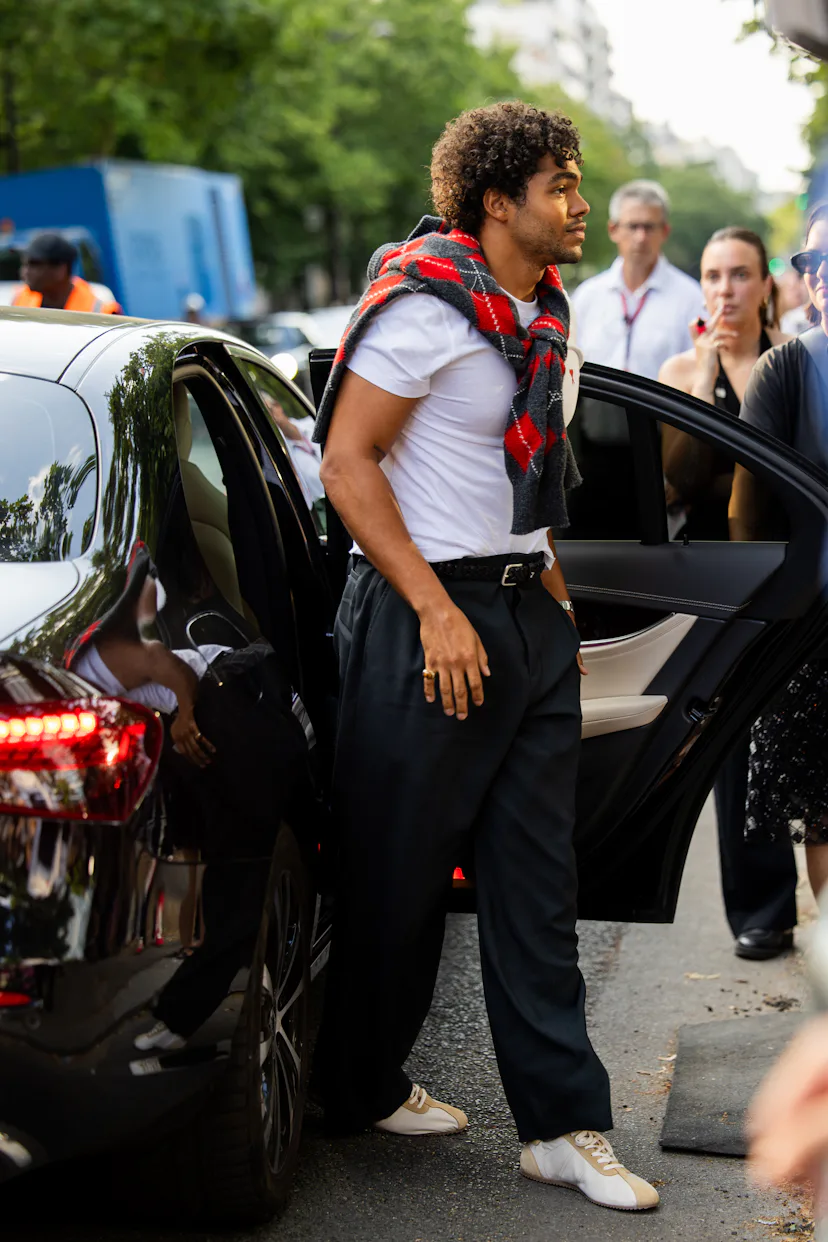
Part of the gawk factor these days, however, also comes down to body type, as muscles have (literally) become a bigger part of getting the internet’s attention. While The New York Times once heralded “The Age of the Twink,” Hollywood’s leading men these days are more often beefcakes with huge pecs and thighs that could crush a watermelon. (This likely reflects the mass protein psychosis we’re currently living through.) Michel Ghanem, who runs the Instagram account TVScholar and writes The Cut’s “Appointment Viewing” column, thinks we’re seeing a return to the type of physical conditioning of the body that made a heartthrob of the 2000s hunk he spent the most time fantasizing about: Zac Efron. “Sometimes,” he says, “it’s about more than their performing ability — it’s like, are they able to perform hotness?”
As shallow as fans undoubtedly are, however, heartthrob status is about more than just good looks and big biceps. Journalist Sophie Ross Brooks, cohost of the Snark Bait podcast, tells me that the new wave of heartthrobs also have a distinct “swagger” to them. “It truly is a je ne sais quoi,” she says. “They’re cool, they’re hot, and they don’t try too hard.”
They appeal to millennials — and to millennial women in particular
Beyond looks and attitude, Ross Brooks thinks that what also defines a heartthrob is their bankability — and, in particular, their ability to compel millennial women (who are “keeping our economy alive”) to press play purely to watch them. “I’m watching Lucky right now just for Drew Starkey, even though he’s not in it much and it’s also really not a good show,” she says. “I am in it just for those small moments where Drew Starkey shows up.”
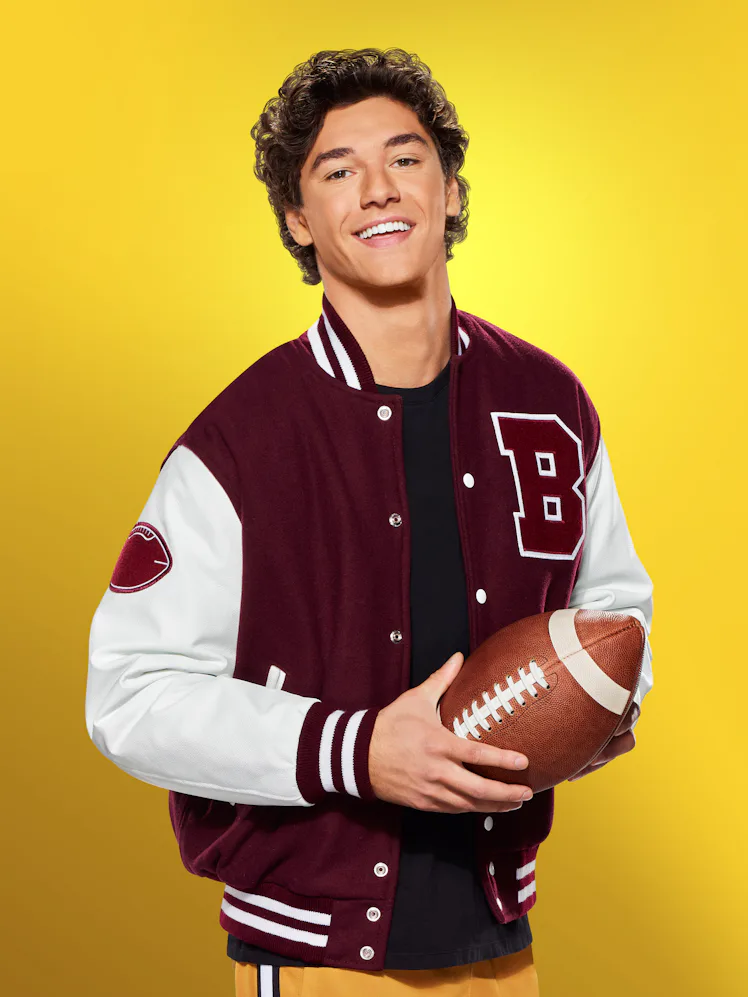
And even if most of these men are in their mid- to late 20s, we’ve usually watched them in something where they played a teenager or young adult. It might not necessarily be their “heartthrob breakthrough,” but it’s still in the minds of the viewer — like your social feed’s current crush, Belmont Cameli, whom fans might remember from Peacock’s short-lived Saved by the Bell reboot in 2020. (And on that note — how to put this delicately? — these actors often start out on something that’s a little more “CW Network” than “HBO.”)
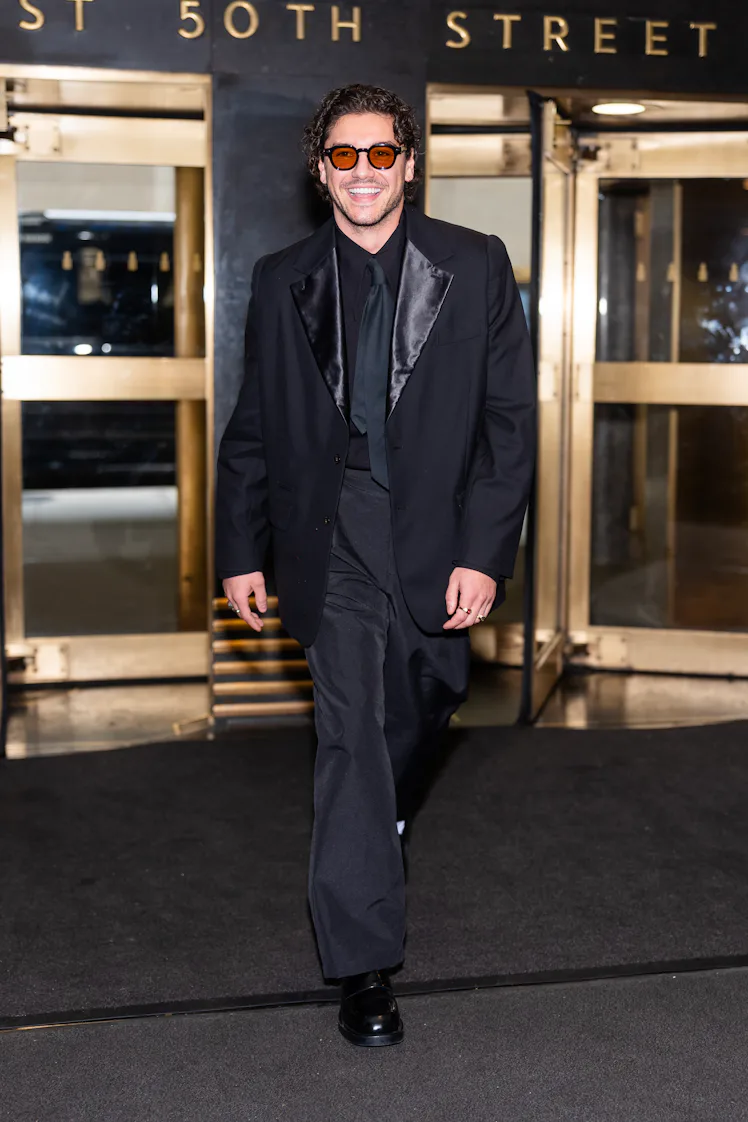
For millennials, the streaming era’s floppy-haired heartthrobs are also a welcome distraction from the increasingly bleak and disposable dating world, where genuine connection feels fleeting and (brace yourself!) women are now being ghosted by their long-term boyfriends. Bianca Betancourt, CNN Style’s culture and features editor, agrees that millennial women are “driving this boom” of new heartthrobs, which she thinks has as much to do with heteropessimism as our ever-shortening attention spans.
Brands cement their cultural power — and vice versa
Fans might choose a heartthrob, but very often, it’s brands that solidify their It boy status. Following the seismic success of Heated Rivalry, Hudson Williams walked in a Dsquared2 runway show, while Connor Storrie became an ambassador for Saint Laurent and was seated in the front row of their show alongside Madonna and Charli XCX. Nicholas Galitzine is a menswear ambassador for Fendi and a fragrance ambassador for Emporio Armani. Drew Starkey became the face of a Loewe campaign after starring in Luca Guadagnino’s Queer. (The brand’s former longtime creative director Jonathan Anderson was the film’s costume designer.) And in July, the curly-haired Belmont Cameli did a steamy shirtless ad for TREsemmé, and Heated Rivalry’s François Arnaud dropped a campaign with Under Armour.
“I find it fascinating how brands come into play with this and how doing an ad can crown them as a heartthrob of the moment,” says Ghanem, highlighting The Bear star Jeremy Allen White’s 2024 Calvin Klein campaign. He thinks that brand deals like this can “propel them to a new level of accessibility to people,” which helps these actors gain reach beyond their online fandom.
Brand deals are one way for actors who’ve had their breakthrough heartthrob moment to seize the moment — and, crucially, cash in. Betancourt tells me that endorsements are a “lifeline” even for famous actors, because the entertainment industry is “very fragmented” right now. “Audience interest has to expand past the box office and past streaming,” she says. “You want people to see your face as they’re scrolling on social media and be excited about something you’re doing.” This is why, particularly over the past decade, there’s been a shift in how male celebrities interact with fashion, where they’re being more experimental both on and off the red carpet. “They’re realizing: Oh, part of maintaining my relevance is playing a little bit with fashion and making sure people are talking about that,” Betancourt says. “The days of just showing up in a regular suit and just being handsome are over.”
And for brands, heartthrobs are a way to signpost their cultural relevance. Betancourt says luxury brands are in a particular race to secure the most of-the-moment talent due to today’s fleeting attention spans. “They have people on their marketing teams where their job is to be like: Who’s next? Who’s exciting? Who’s going to bring in a younger audience?” It’s a quid pro quo, where both heartthrobs and brands are only as zeitgeist-capturing as their latest linkup.
They attach themselves to existing romance IP (and BookTok helps)
Wannabe heartthrobs who aren’t yet being inundated with collaboration requests from brands have other ways to get there. First, find out whichever sexy airport novel is being adapted for TV next and beg your agent to get you an audition. It also doesn’t hurt to get some steamy photo shoots for the Instagram grid (gone are the days when actors would be frowned upon for being horny on main).
Noah Centineo was an early example of a “viral” heartthrob when he starred in To All The Boys I’ve Loved Before. The 2018 film, based on Jenny Han’s 2014 YA romance novel, was Netflix’s first breakout romantic comedy hit and followed Lara Jean (Lana Condor) and Peter Kavinsky (Centineo), two high schoolers who pretend to be dating in order to make Peter’s ex-girlfriend jealous. Playing a notably more sensitive, layered take on the classic jock archetype, Centineo had the internet collectively swooning, and he was immediately (and perhaps prematurely) lauded as “the new Timothée Chalamet.”
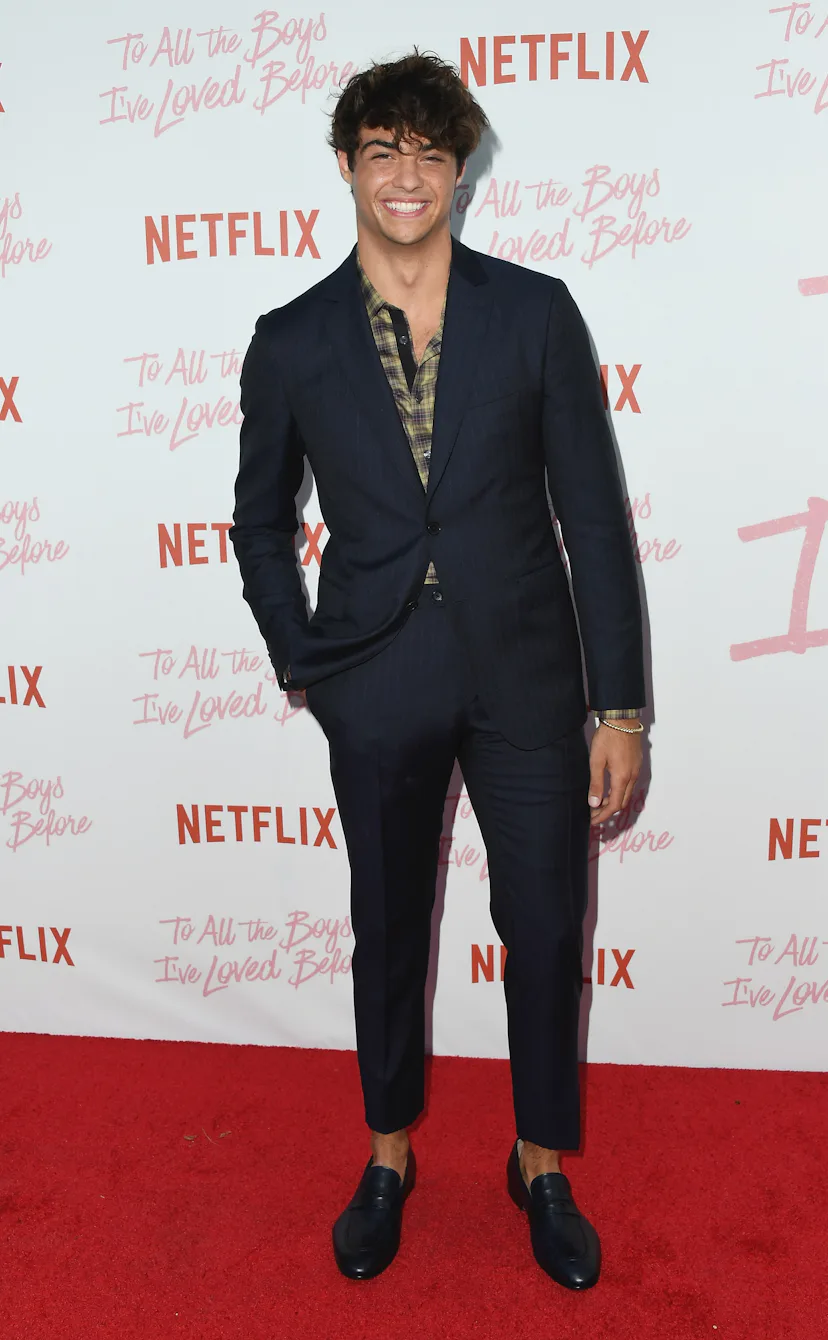
Writer Sofia Alvarez, who adapted the book for the screen, thinks Peter’s vulnerability drove the viral thirst. “Something that struck me, with the distance of age, was how the boys back then were just as vulnerable and scared of being hurt as I was, even if I couldn't see it at the time,” she told me in an email. “In the script, I wanted to make sure we saw that Peter is navigating big feelings too.” And it stemmed from two more factors: first, Centineo himself, whom she describes as “witty and charming,” but with “something in his eyes that also lets you know there is more going on under the surface.” And also his chemistry with Condor, because “to make a heartthrob, you can't forget who their partner is.”
Today’s heartthrobs are also getting a boost from the hyper-connected online fandoms around romance novels, which are feeding the streaming era with stories that already have a built-in fan base. “BookTok is huge,” says Betancourt. “All of these books are getting adapted, one after another, and almost all of them are written by women, so I think we’re starting to see more male on-screen characters through the lens of female authors and audiences.”
In the fiction-to-heartthrob pipeline, we’re starting to see a self-contained ecosystem, where adaptations of books by authors like Casey McQuiston and Rachel Reid are being greenlit based on book sales and online buzz, creating the expectation that the fans will mobilize to support these shows (and their leading men). In the case of Off Campus, Katz says its leads were “incubated to be heartthrobs” from the very beginning by the readers. And this, he says, is the main difference between an It boy and a heartthrob: “The media chooses the It boy, whereas the heartthrob is chosen by the fans.”
They lean all the way into fame — then do a career 180
Actors who have had their heartthrob breakthrough have two distinct paths ahead: overexposure and mystery. Traditionally, Katz tells me that heartthrobs relied on teasing their fans with very few personal details, creating the space for them to use their imagination. “The more that they talk or let us know who they are,” he says, “the less we can fantasize about who we want them to be.” That changed with Heated Rivalry, where the show’s previously unknown leads were profiled and photographed by virtually every publication, with a media blitz that ranged from front-cam videos about skin care, surprise appearances at gay bars, and, for Connor Storrie, hosting SNL.
Ghanem thinks Heated Rivalry’s “more is more” publicity strategy was a “responsive” one. Social media drove the sudden, unexpected popularity of the show, while also allowing for a more immediate PR campaign. And a benefit to this approach was that it quickly helped each of the leads carve out a public persona beyond the show. Williams, in particular, achieved heartthrob status through his own personality just as much as the role of the shy hockey player Shane Hollander. In interviews, he had a goofy, silly disposition but was also able to get serious, like when he told Andy Cohen that he’d been receiving DMs from closeted athletes. This is important because any heartthrob hoping to have staying power has to be bigger than their breakthrough role, which is why their next move is often to play off-character. After The Summer I Turned Pretty went mega-viral, the show’s heartthrob Chris Briney played Deborah Vance’s Harry Styles-inspired boy toy in Season 5 of Hacks — a role that cleverly nodded to his heartthrob status while showing another side to a different audience.
They enjoy the moment but have their eyes on the long game
Crucially, what separates the streaming-era heartthrobs from the more old-school, Very Serious Actor types is that the former look like they’re enjoying the fame: the photo shoots, the red carpets, and the whirlwind of being followed everywhere by screaming fans. That’s why, despite my social feed being full of clips of Kit Connor taking off his shirt in Netflix's Heartstopper Forever, the actor feels less like a heartthrob and more like an actor with big muscles. (He seems vaguely uncomfortable with his fame and, let’s face it, would probably hate to be referred to as a “heartthrob” anyway.)
It’s a delicate balance, though, because while fans love it when heartthrobs project a carefree, fun-loving image, these actors do want to be taken seriously. The streaming era has provided opportunities for the resurgence of talent like Adam Brody and Penn Badgley, but newly minted heartthrobs are all too aware of the challenges of becoming the next George Clooney, Matthew McConaughey, or Channing Tatum.
The disposability of heartthrobs is why, according to Katz, most actors “do everything they can” to move past the label. “They want to believe that they’re more than just their visage, so often you’ll see them take on purposefully uglier or grittier roles, or just try and do something more unexpected to legitimize themselves.” He thinks the challenge is for these men to prove they can “generate clicks online” and “get butts in seats” — an alchemy that turns a viral heartthrob into a bona fide star like Timothée Chalamet.
As Betancourt puts it, the biggest test is what comes next. “How are you going to stretch those 15 minutes?” she says. “Are you actually here for the long haul?”
